
Roof ventilation can involve a lot more than choosing a vent that looks like it will fit the roof. The roof design, attic space, existing ventilation, and type of roofing system all affect what products make sense for the project.
In La Puente, where hot weather can put added heat into attic spaces, ventilation is an important part of the proper airflow. A project may call for ridge vents and soffit vents, static vents, turbine vents, or powered options, depending on how the roof is designed and what the existing system looks like.
Consider the Roof Design
The shape and slope of the roof are a good place to start. A gable roof, hip roof, and flat roof don’t necessarily have the same ventilation options, so the products used on one project may not translate directly to another.
Look at the roof’s:
- Shape
- Slope
- Roof ridge
- Roof overhang
- Attic space
- Existing vents
- Roof penetrations
Aim to choose products that work with the roof rather than trying to force a particular type of vent into a space where it doesn’t belong. That’ll help with proper roof ventilation.
Look at the Existing Ventilation
A replacement roof doesn’t always mean starting the ventilation system from scratch. Existing soffit vents, ridge vents, gable vents, or other openings may already be part of the roof’s ventilation setup.
Before ordering new products, take stock of what’s already there. Closing off an existing intake opening while adding exhaust vents, for example, can change how air moves through an attic ventilation system.
Your material list should reflect the ventilation system being installed, not just the individual vents.
Understand Intake and Exhaust Ventilation
A properly planned roof ventilation system generally needs both intake and exhaust ventilation. Intake vents allow fresh air into the attic space, while exhaust vents allow warm or humid air to leave.
Intake Vents
Soffit vents are commonly installed beneath the roof overhang and provide intake airflow. Depending on the roof design, other options can include edge vents, drip edge vents, or gable intake products.
Exhaust Vents
Exhaust products can include ridge vents, box vents, turbine vents, gable vents, and powered roof vents.
The two sides need to work together. Adding more exhaust vents isn’t necessarily the answer if the roof doesn’t have sufficient intake ventilation.
Choose the Right Exhaust Vent
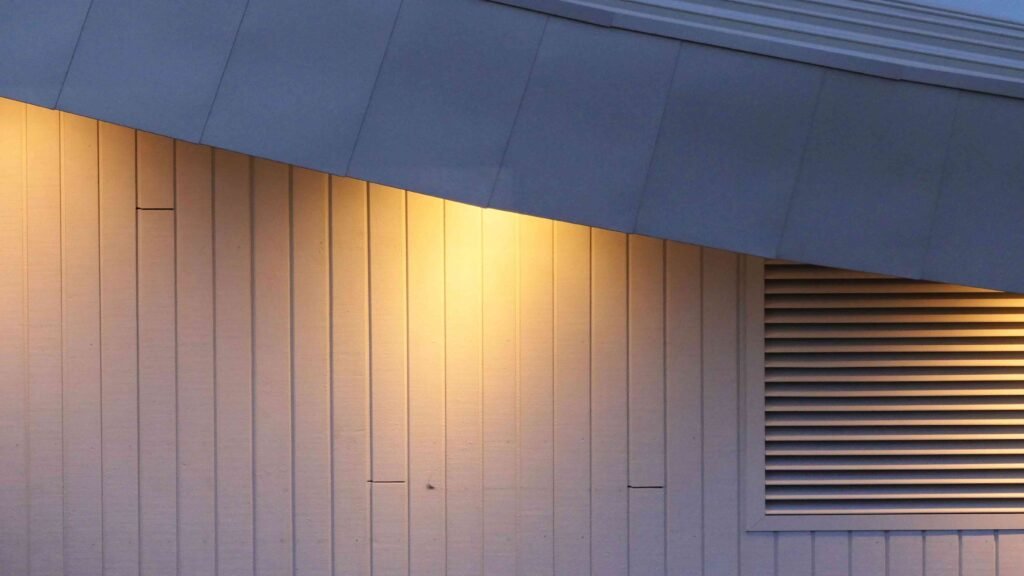
There are several types of roof vents to consider, and each has different installation requirements.
Ridge Vents
Ridge vents run along the roof ridge and provide continuous exhaust ventilation when paired with appropriate intake ventilation. They’re often used with shingle roofing systems where the roof design allows for installation at the peak.
Box Vents
Also called static vents or louver vents, box vents are installed through the roof rather than along the entire ridge. Multiple vents may be needed depending on the size and design of the attic.
Turbine Vents
Turbine vents use wind to help exhaust air from the attic. They’re another option for roofs where the product and installation location are appropriate.
Powered Roof Vents
Powered vents use electricity or solar power to move air mechanically. These can be useful for certain applications, but the project needs to account for the electrical or solar-powered equipment along with the ventilation requirements.
Make Sure the Intake and Exhaust Work Together
A balanced ventilation system depends on both sides of the system doing their job. For example, installing a ridge vent without sufficient intake ventilation can limit the airflow through the attic. The same issue can occur when a roof has plenty of intake openings but inadequate exhaust capacity.
When putting together the order, look at the complete system rather than choosing each vent independently.
That includes checking:
- Intake vent type
- Exhaust vent type
- Available vent area
- Roof layout
- Attic size
- Existing ventilation
- Manufacturer requirements
Consider the Attic Size
The amount of ventilation needed is tied to the size of the attic space and the ventilation products being used. Building requirements can also affect the amount of net free vent area required for a particular project.
Rather than relying on a generic number, check the applicable requirements and the specifications for the ventilation products being installed.
Net free vent area (NFVA) is particularly useful when comparing products because the physical size of a vent doesn’t necessarily tell you how much usable ventilation area it provides.
Think About the Roofing Material
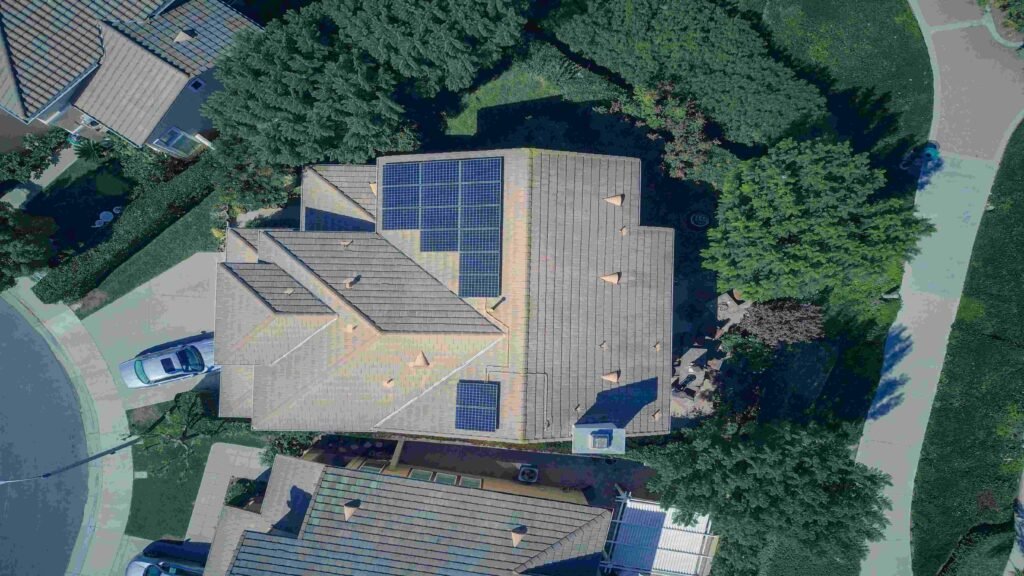
The roofing system can also affect the ventilation products that make sense.
A shingle roof may use a different ventilation setup from a tile roof or metal roof. Installation details, roof penetrations, flashing, and the way the vent integrates with the roofing material all need to be considered.
If you’re ordering ventilation products alongside shingles, tile, metal roofing, or other materials, make sure the products are compatible with the roof system and installation details.
Don’t Ignore Heat and Moisture
La Puente’s warm climate makes attic heat an important consideration, but ventilation isn’t only about temperature.
Air movement through the attic can also help manage moisture. Poor airflow can contribute to moisture accumulation under the right conditions, particularly when warm or humid air enters the attic and doesn’t have an effective path out.
Given that, the goal isn’t simply to install a few roof vents. The products need to create an effective path for air to enter and exit the attic.
Consider Wildfire Requirements
Ventilation products may also need to meet additional requirements in areas exposed to wildfire risk. Ember-resistant or other specialized vent products may be required depending on the location and applicable building requirements.
If the roofing project is subject to specific fire-resistance requirements, check the product specifications before placing the order. This is another situation where choosing a vent based solely on appearance or size can create problems later.
Check the Details Before Ordering
Ventilation products are relatively small compared with other roofing materials, which makes them easy to overlook when putting together a larger order.
Before purchasing, double-check:
- The type of roof vent required
- Intake and exhaust locations
- Roof slope and shape
- Attic square footage
- Existing vents
- Required NFVA
- Product dimensions
- Compatible roofing materials
- Manufacturer specifications
- Applicable local requirements
- Required flashing and accessories
A few minutes spent reviewing those details can prevent a much more frustrating problem once the roofing project is underway.
Finding Roof Ventilation Products in La Puente
Once the ventilation requirements are established, the next step is finding the products and quantities that match the material list. Shunde Roofing Supply carries a range of roof ventilation products for contractors and other customers working on roofing projects in La Puente and throughout Southern California.
Our team can help you check availability for ridge vents, intake vents, soffit vents, box vents, turbine vents, powered vents, and related roofing materials. If you already have product specifications or a material list, we can check the requested products and quantities before you place the order.
With our La Puente location on Jefferson Blvd and a second location in Santa Fe Springs, local pickup is available depending on current stock. Qualifying orders can also be arranged for jobsite or rooftop delivery.
Call (626) 999-9903 or fill out our form to check roof ventilation product availability for your next La Puente project.